For the people affected
Every AI decision lands on someone. I design with the effect on vulnerable and non-technical people in mind, especially older citizens.

Role Paths
Role-based learning paths for AI governance, grown from my MA in Design for Responsible AI at Elisava, Barcelona.
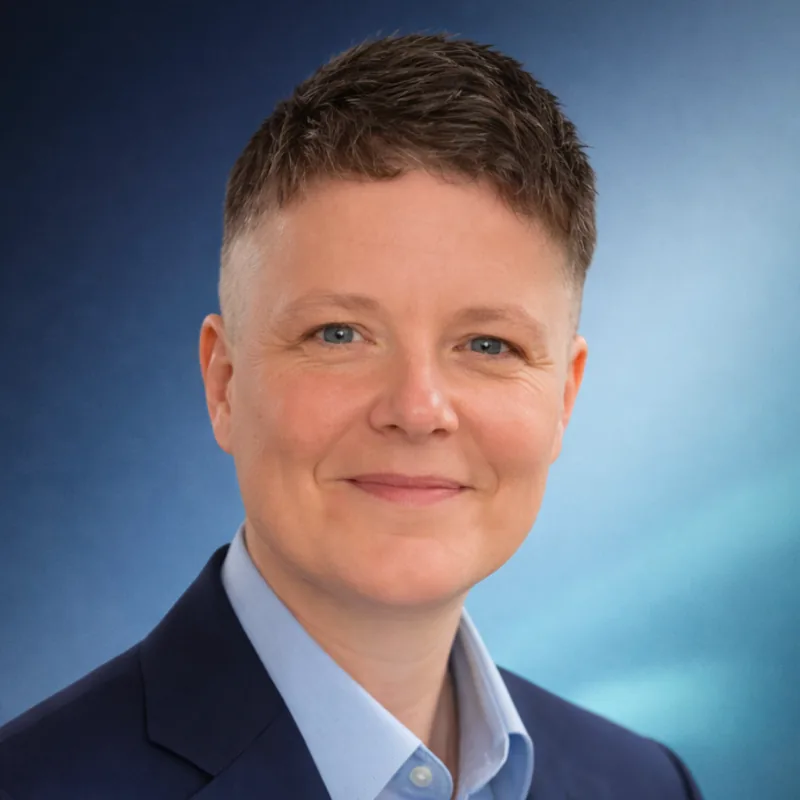
I wanted to understand the problems and potential in how teams work together, in technology and beyond, and to find frameworks that help them improve, treating AI as an opportunity. The aim was better outcomes for non-technical and vulnerable citizens.
Every AI decision lands on someone. I design with the effect on vulnerable and non-technical people in mind, especially older citizens.
Many teams meet AI with fear: of risk, of blame, of change. Clear roles, practical tools and shared language turn that into curiosity about what’s possible.
Most failures happened between roles, not inside them. So each role needs its own path, and the team needs to rehearse the handoffs together.
AI changes who does the work. Teams agree who checks, decides and fixes. Each role learns its part. Governance is shared, not handed to one team.
This work began as my master's research in the Master in Design for Responsible AI at Elisava, Barcelona School of Design and Engineering (2025). The thesis was Trust by Design: Government AI, Risk and the Wellbeing of Ageing Citizens.
I wanted to understand the problems and potential in how teams work together, in technology and beyond, and to find frameworks that help them improve, treating AI as an opportunity. The aim was better outcomes for non-technical and vulnerable citizens.
Explore the research → Meet the personas →
Research personas, not real people.
11 interviews
4 gaps between roles
8 prototype evaluators
Most failures happened between roles, not inside them. So each role needs its own path, the team needs to rehearse the handoffs together, and everyone works from one shared toolkit.
Mapping AI outputs to real states
Blocks the release when checks fail
Product review checklist
See an example: Jannik · Developer →
Plain language for uncertainty
Makes sure every message has a next step
Message and wording guidelines
See an example: Lena · UX/UI Designer →
Who signs off AI changes
Owns the team agreement
Team agreement template
See an example: Amira · Product Owner →
Spotting outputs that contradict the record
Uses the override and escalates
Override and gap log
See an example: Sabine · Caseworker →
The framework helps teams build their own toolkit, around their roles, paths and AI tools. It builds on Microsoft HAX and Google’s People + AI Guidebook, and adds what they don’t cover: who reviews, who owns, who can stop. Governance stays with the people who do the work: they agree how to act, then act that way.
The team session produces a map: who checks, who decides, who escalates, who fixes.
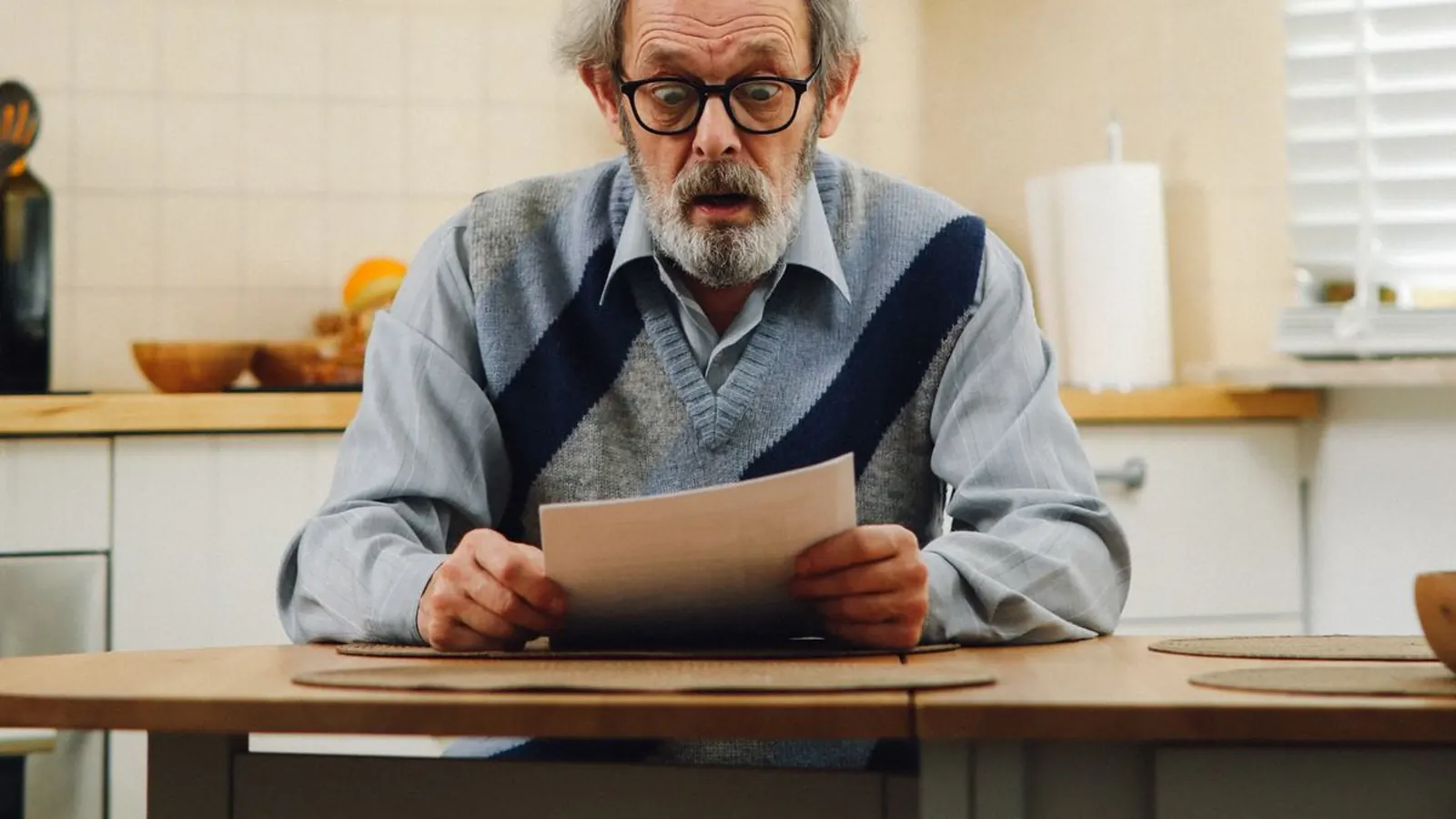 Illustrative
Older users end up confused and excluded. Older citizens feel confident and respected.
 Illustrative
Confusing letters and a growing fraud risk. Users report trust, clarity and fairness.
 Illustrative
Constant changes and no room for risk. A steady pace and shared understanding.
 Illustrative
The case no longer fits the person. A person answers and the pattern returns.

Trigger
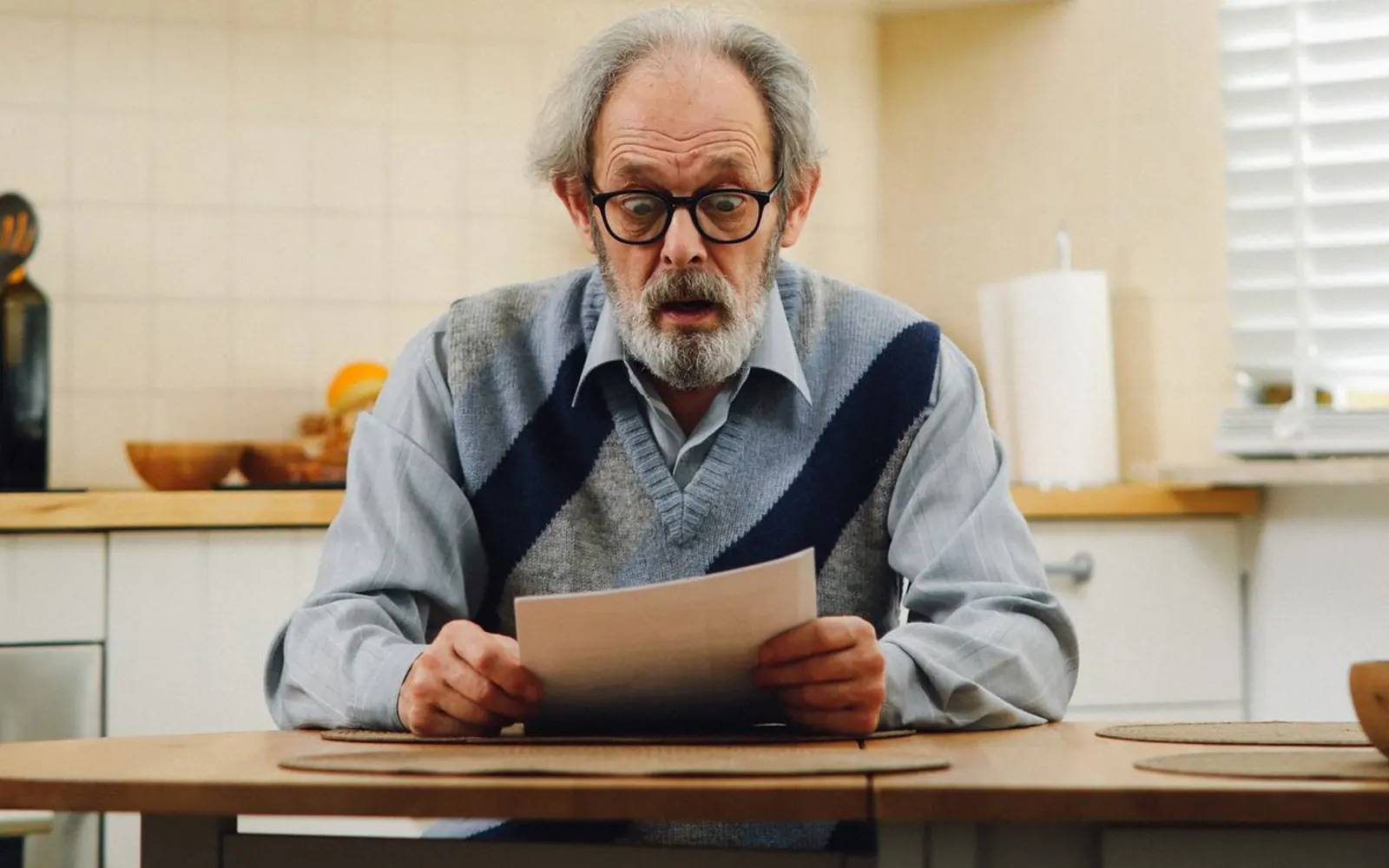
An external consultancy calls it low-risk.

Process
The project is led for speed.
Result
Older users end up confused and excluded.

Trigger
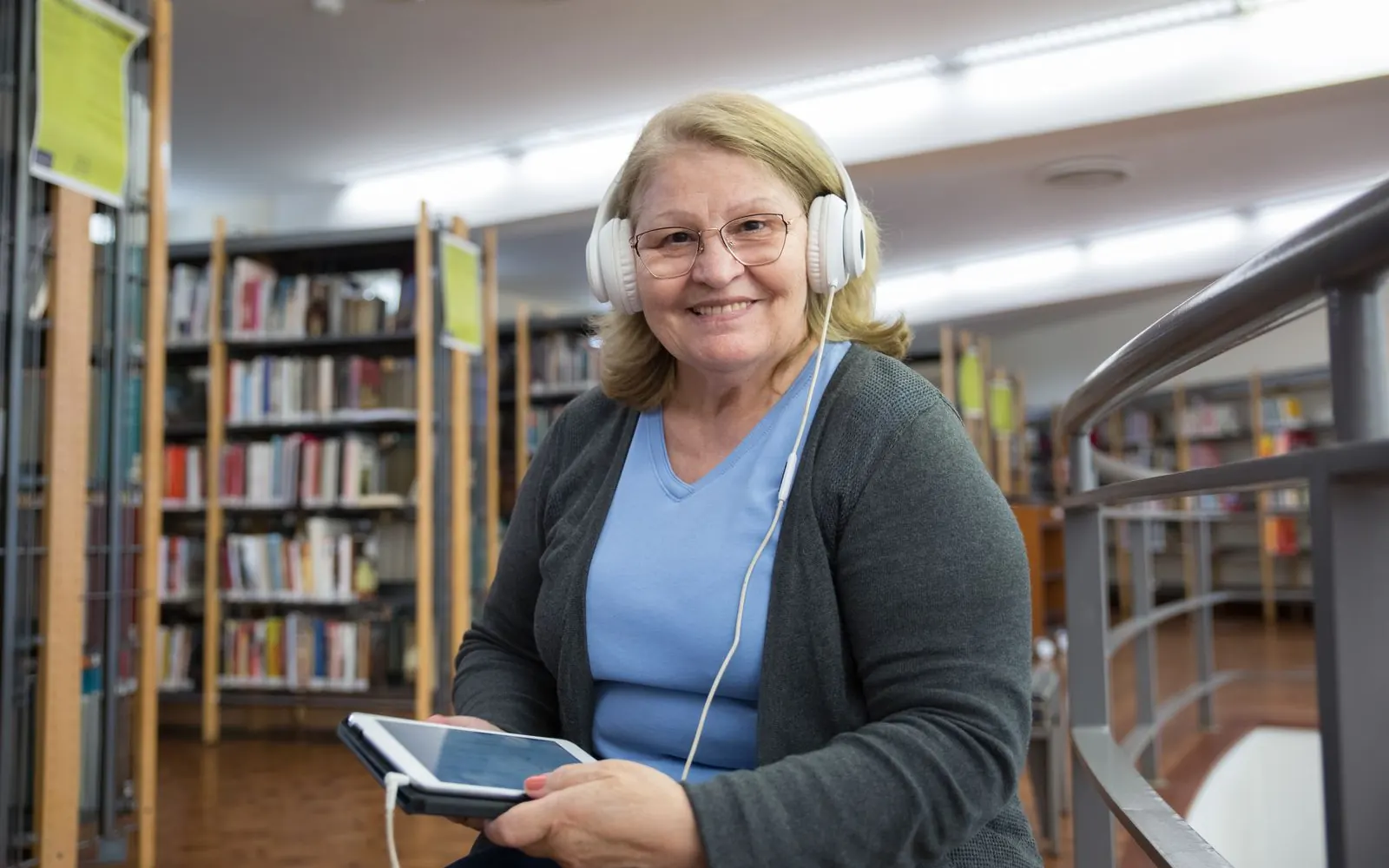
The ministry agrees a governance-first approach.

Process
VTS checks risk at every stage.
Result
Older citizens feel confident and respected.
Proposed next step
Part of a wider practice: TrustAudit finds the risk, TrustBridge designs the interaction, Role Paths enables the team. See the bigger picture →